



"A scientific approach to a growing fresh water challenge"
Restoration of impaired water bodies by the application of Phoslock
At Phoslock Water Solutions (UK) Ltd and Phoslock Europe GmbH, we are the regional specialists for the restoration and long-term health of freshwater systems across the UK and Europe. As wholly owned subsidiaries of Phoslock Environmental Technologies (PET), we combine global scientific leadership with hands-on delivery to manage everything from aging waters and poor water quality to the severe effects of eutrophication.
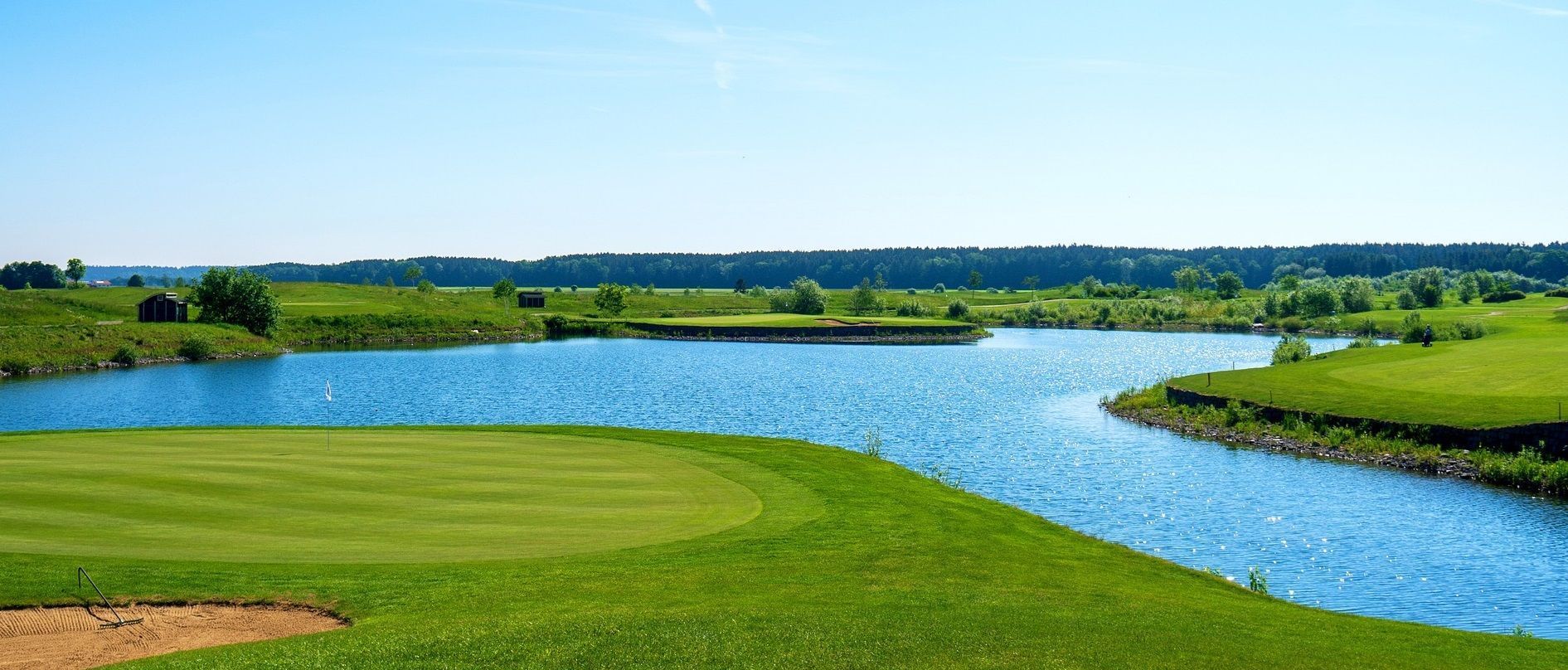
We tackle the universal challenge of phosphorus and phosphate loading in every water body, regardless of its size, type, or use. Our expertise scales from large lake systems, wetlands, drinking water reservoirs and impounded rivers to small urban ponds, private garden lakes, and even golf and leisure course waters. Whether it is a small-scale pond or a strictly protected Site of Special Scientific Interest (SSSI), Special Area of Conservation (SAC), or Ramsar site, we provide tailored treatments that safeguard biodiversity.
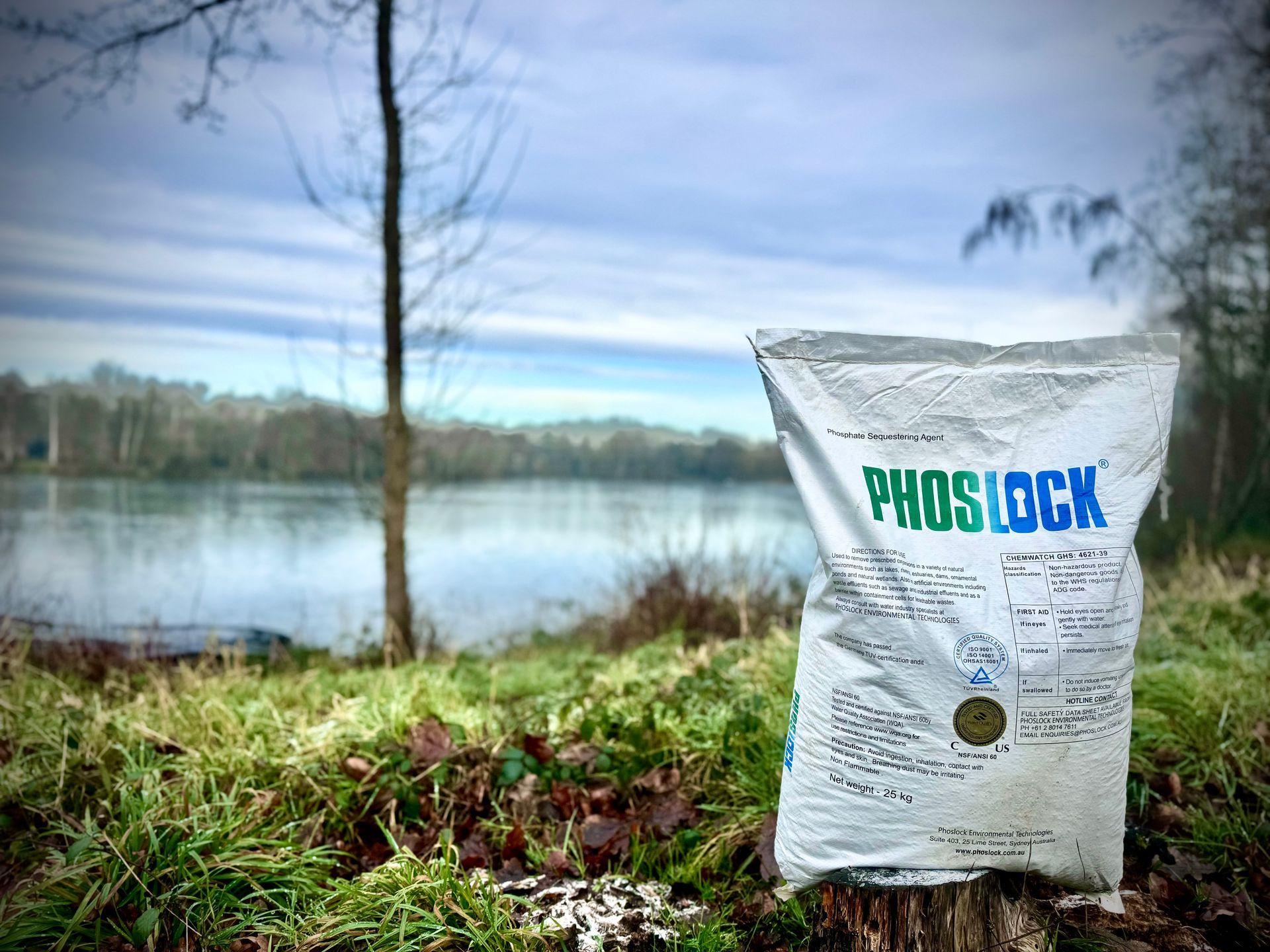
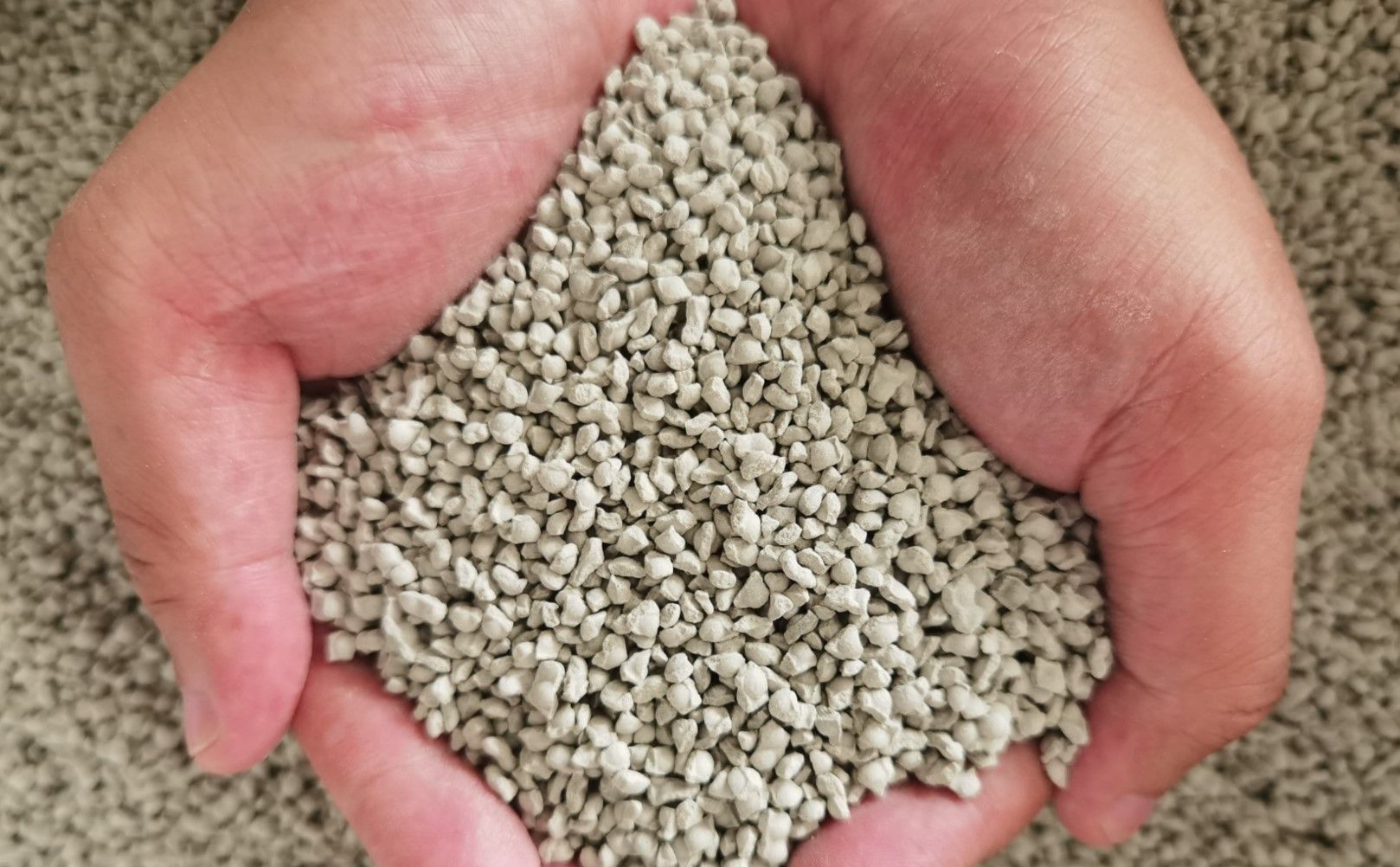
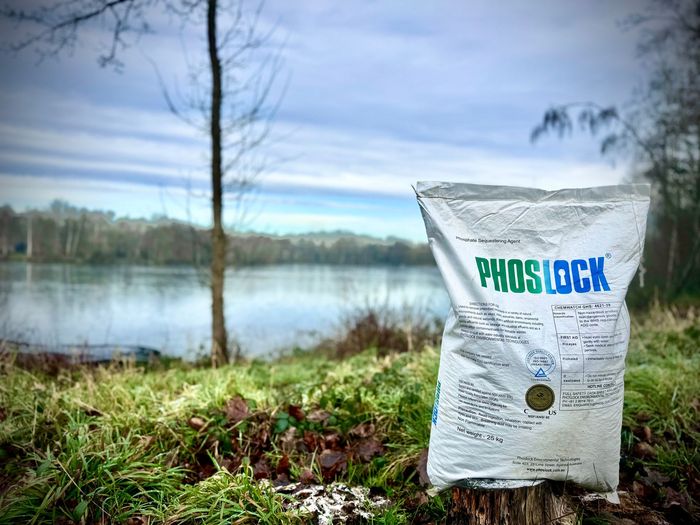
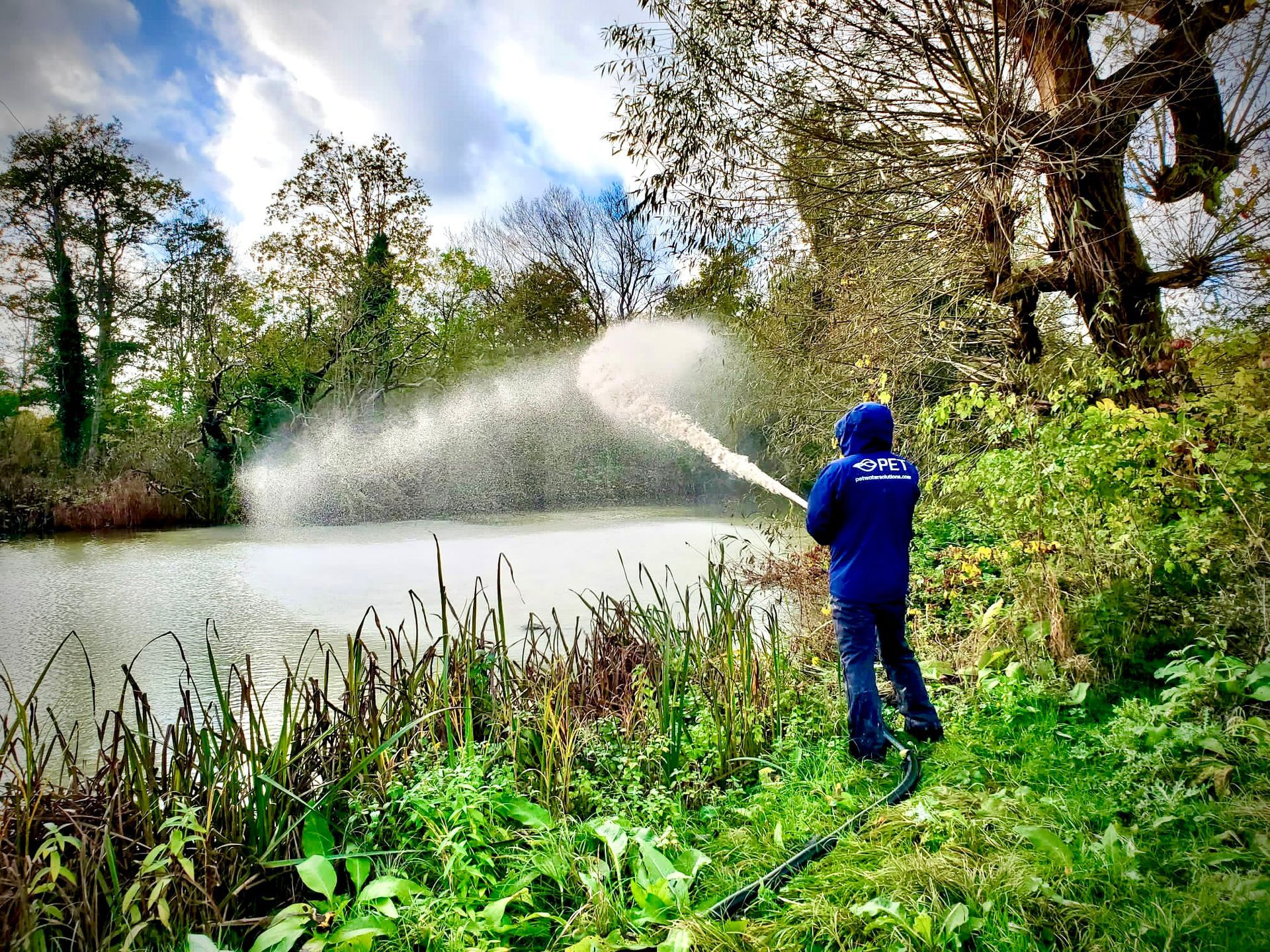
Our work focuses on reversing the "eutrophication clock" to eliminate the risk of Harmful Algal Blooms (HABs). By applying Phoslock®, a lanthanum-modified bentonite clay, we permanently "lock" free reactive phosphorus into a stable, inert mineral called Rhabdophane. This process effectively:
- Strips nutrients from the water column to immediately improve clarity.
- Caps bed sediments to prevent phosphorus re-release, even under anoxic (low-oxygen) conditions.
- Reduces organic material breakdown, which can also lower methane emissions from sediment.
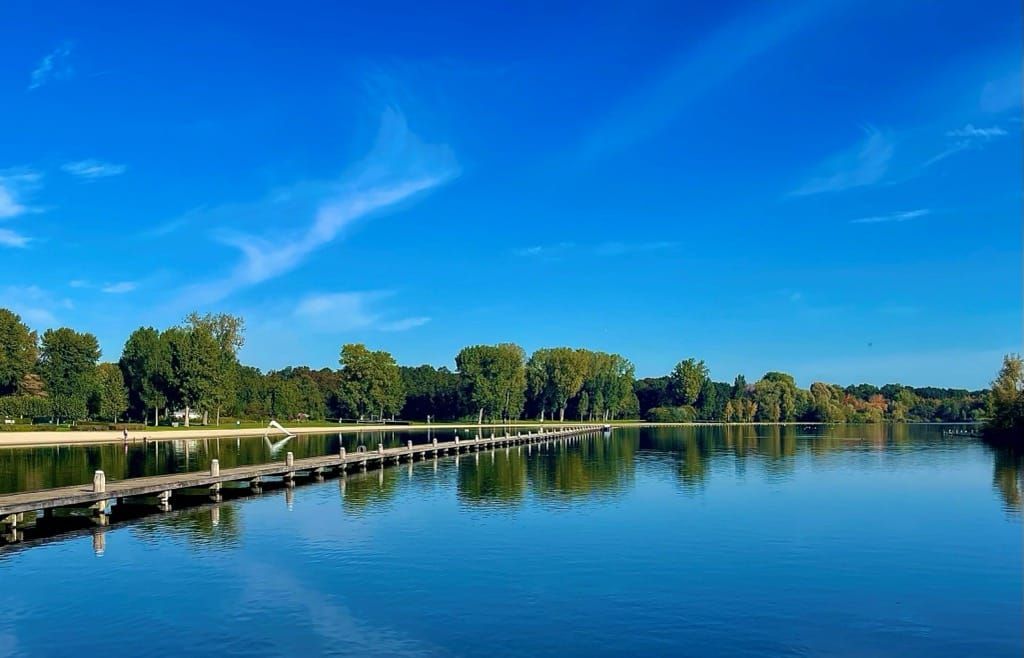
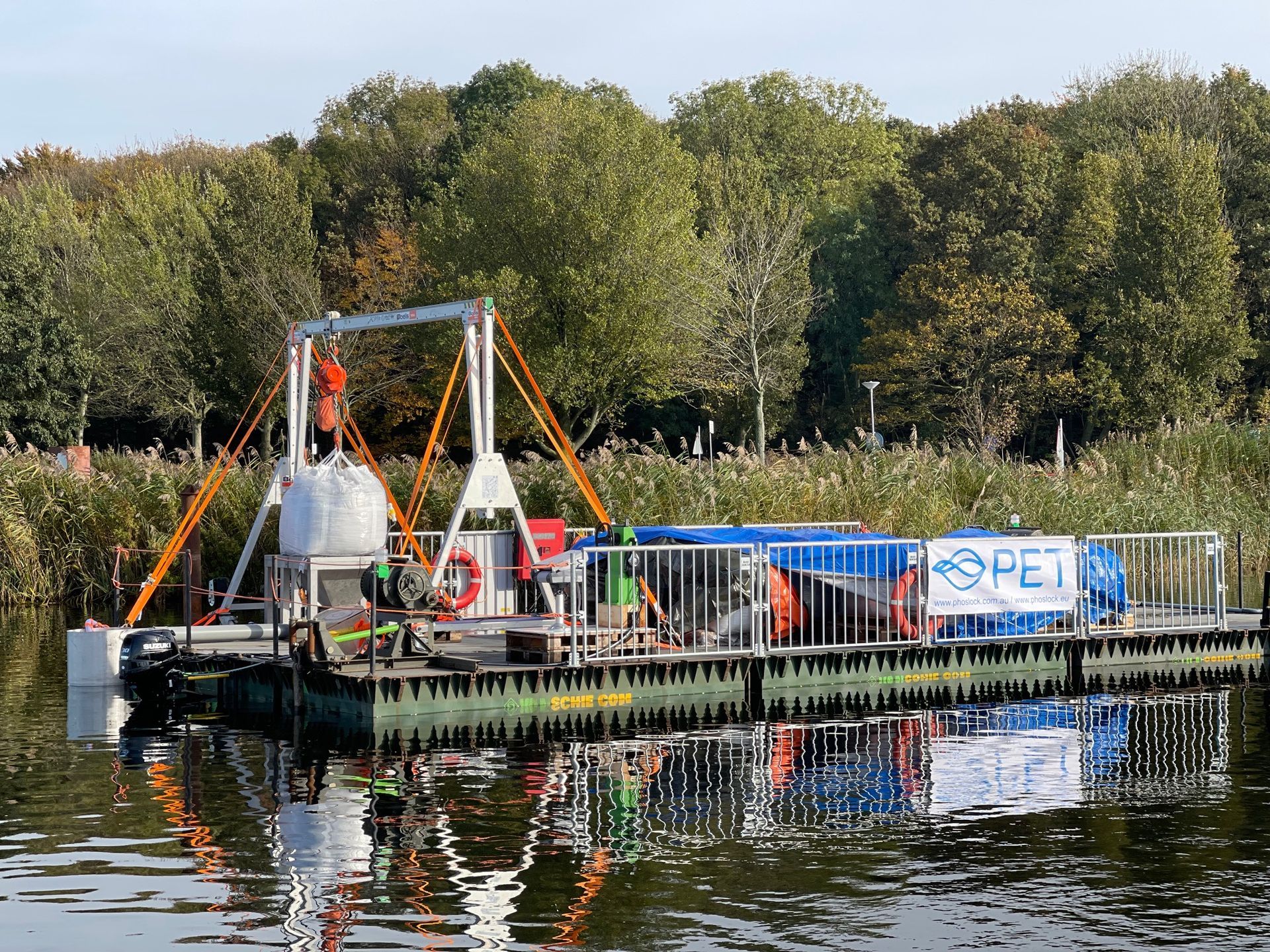
Safe for aquatic life and human contact, our technology provides an end-to-end service, from initial site assessments and F4ST data-driven lake management to professional application. With over 300 successful projects across Europe, including high-profile sites like The Serpentine in London for the 2012 Olympics and Kralingse Plas in Rotterdam, we are dedicated to creating cleaner, healthier waterways for any environment.

Three Years On: What the Kralingse Plas Project Tells Us About Long-Term Phosphorus Management
Europe's largest evaluated Phoslock® application offers important lessons for water managers.
A new peer-reviewed study examines the Kralingse Plas restoration project three years after implementation, highlighting the value of long-term monitoring, stakeholder engagement and phosphorus management.

LATEST NEWS








 by
by